
Double-Cover Trigger Sprayer Closure: 28/400 & 28/410 PP Guide
Double-Cover Trigger Sprayer Closure: 28/400 & 28/410 PP Guide
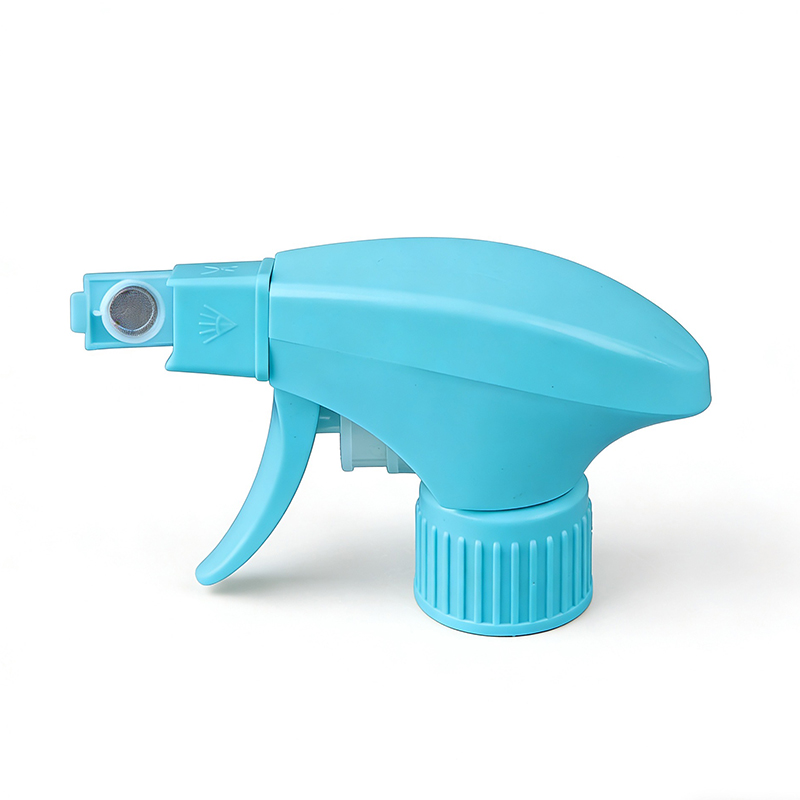
A double-cover trigger sprayer closure is a manual, all-plastic PP spray head built to fit both 28/400 and 28/410 bottle necks, offered with a fine mist or a stable foam output, and designed as a mono-material component without a metal spring. That single sentence contains the four specification fields that decide whether a closure can be used on a cleaning product line: neck finish, material family, actuation, and spray output.
For buyers at the research and evaluation stage, the practical question is narrower than a full supplier selection. It is whether one closure specification can serve the bottle format already on the filling line, the chemistry already inside the formula, and the recyclability claim already printed on the label. This technical guide answers that question for the MILA double-cover platform — ML-102B1 (foam) and ML-102B2 (mist) — together with the related PP foam models ML-202D1, ML-203H1 and ML-204Z1 supplied by Zhejiang Mila Plastic Industry Co., Ltd. (MILA), a plastic trigger sprayer manufacturer based in Quzhou, Zhejiang, China.
Quick answer: the double-cover trigger sprayer closure is specified as an all-plastic PP component with a full-plastic structure and no metal spring, a manual trigger hand-press action, compatibility with 28/400 and 28/410 bottle necks, and an output choice of fine mist or stable foam. It is intended for household kitchen degreasers, bathroom and toilet cleaners, glass and window cleaners, car care and auto detailing products, pet supplies, and chemical and daily-use chemical packaging.
What “Double Cover” Means in a Trigger Sprayer Specification
The outer cap is a documented field in a trigger sprayer data sheet, not a cosmetic side note. The MILA range records it explicitly: ML-102B1 and ML-102B2 carry the specification “Outer cap: Double cover”, while the all-plastic ML-101G1 and ML-101G2 sprayers are recorded as “Outer cap: Single cover”. A quotation that does not name the outer cap configuration therefore leaves one moulded part of the closure unspecified — which matters when the same bottle design is sourced from more than one sprayer supplier.
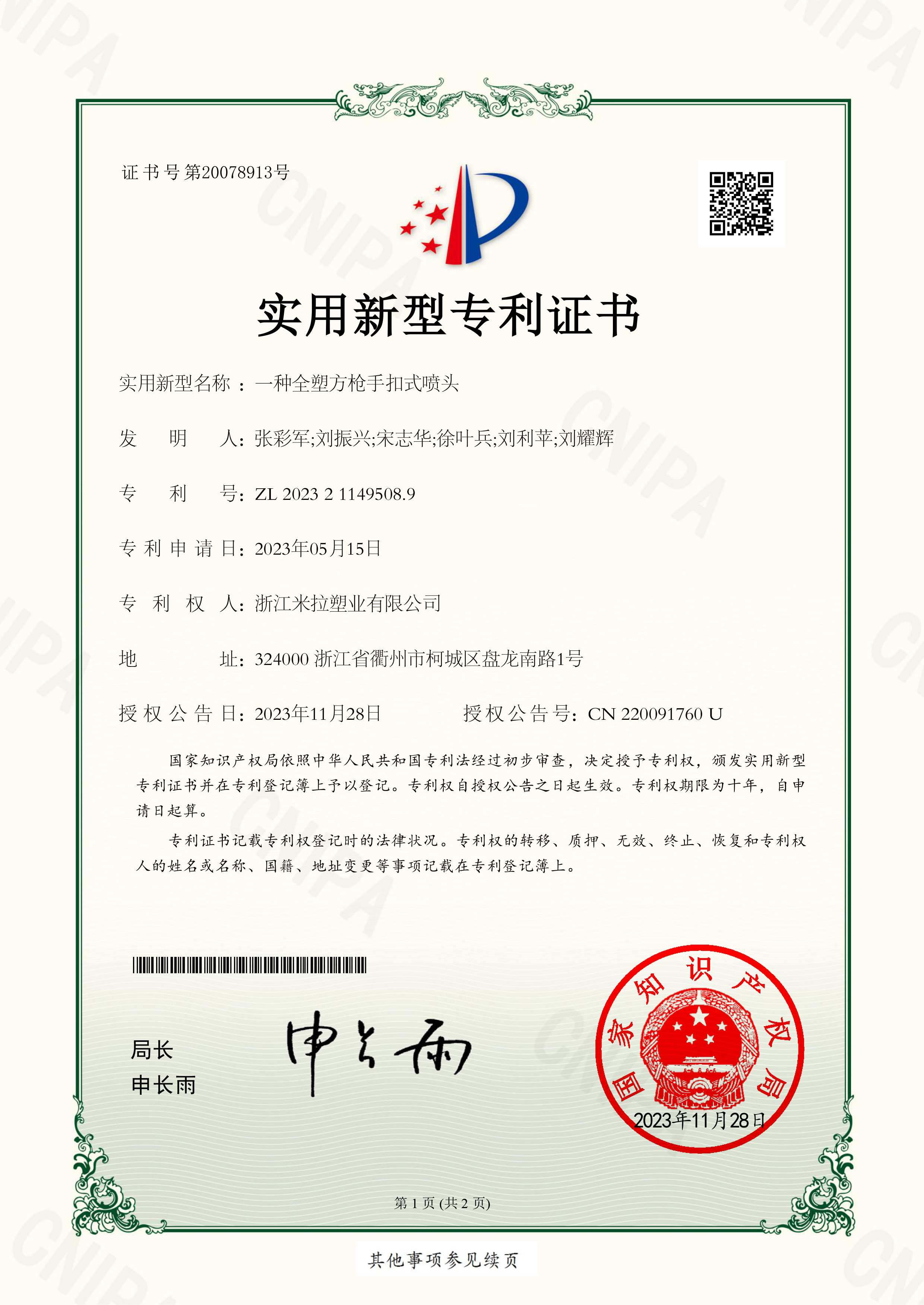
Nozzle-area protection is not an afterthought in this product family. Utility model patent ZL 202321349188.1, issued by the China National Intellectual Property Administration (CNIPA), covers a nozzle protection structure for trigger sprayers and applies to the ML-101G2, ML-102B1, ML-102B2 and ML-103C1 products. Utility model patent ZL202321149508.9 separately covers all-plastic trigger sprayers, including ML-101G1, ML-101G2, ML-102B1 and ML-102B2; it was issued on 28 November 2023 and is valid until 15 May 2033 in the China market.
Once the outer cap is fixed, three constraints decide whether the closure survives contact with the filling line and the consumer: whether it seats correctly on the bottle neck, whether it resists the chemistry inside the bottle, and whether it stays inside one polymer family so the recyclability claim on the label remains accurate.
Problem Definition: The Three Constraints That Fail After the Bottle Is Filled
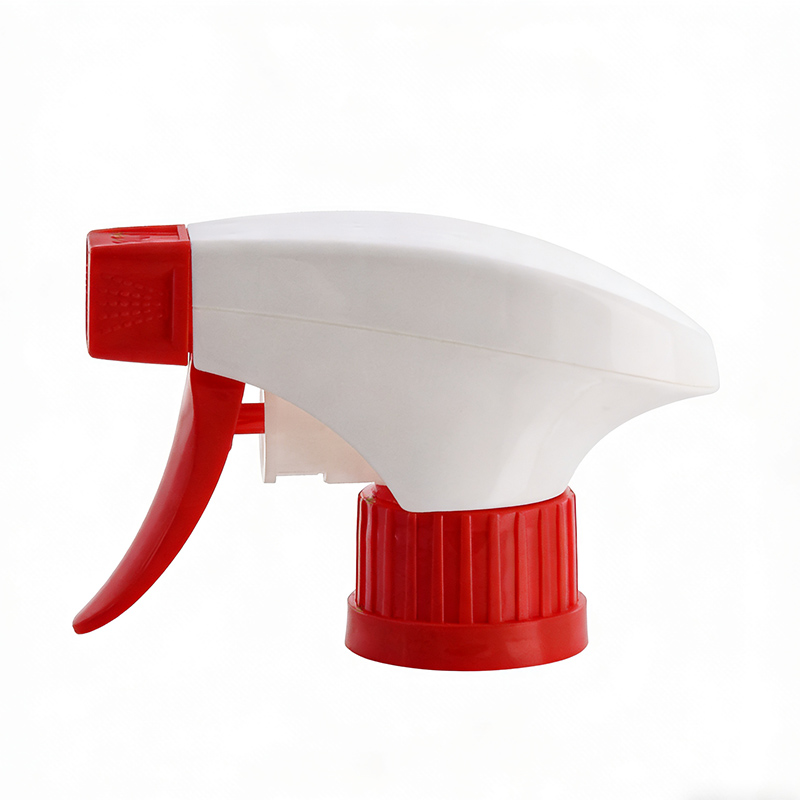
Constraint 1 — Neck finish. The “28” in 28/400 and 28/410 refers to the nominal neck diameter in millimetres; the number after the slash is a thread-finish designation. The consequence for packaging buyers is simple: a closure validated on one finish is not automatically interchangeable with the other, and a mismatch shows up as leakage or a loose spray head only after filling, capping and transit. Houweling Group identifies 28/410 as the most commonly used opening for trigger sprayers, which is why dual qualification against both 28/400 and 28/410 is the practical way to keep a single sprayer SKU usable across more than one bottle format.
Constraint 2 — Chemistry. A kitchen degreaser, a bathroom and toilet cleaner, a glass and window cleaner and an auto detailing product are not the same chemical environment. A closure that is specified without chemical resistance data is a specification risk, because the trigger mechanism is the part that stays wet with the formula after every use.
Constraint 3 — Material family and the recycling claim. A trigger sprayer containing a metal spring mixes materials inside one small assembly, which complicates separation after consumer disposal. A full-plastic structure without a metal spring keeps the closure inside one polymer family and supports a mono-material design for recycling — a difference that becomes commercially relevant once a brand has already printed a recyclability statement on the bottle.
Industry Background: A Closure Specification Under Recyclability Pressure
The trigger sprayer closure is a small part in a large market. Fortune Business Insights values the global trigger sprayers market at USD 491.8 million in 2025 and projects a 4.7% CAGR from 2026 to 2034. Published market estimates differ by scope — some figures include the complete bottle assembly rather than the closure alone — so buyers should check whether a quoted number describes the sprayer or the finished pack.
Regulation is moving in one direction. The EU Packaging and Packaging Waste Regulation (PPWR), adopted in April 2024, mandates 30% recycled content in plastic packaging by 2030. For sprayer sourcing, that requirement converts a general sustainability statement into a component-level question: what is the closure made of, and how many materials does it contain?
The trade framework is already established. HS code 3923.50 covers stoppers, lids, caps and other closures of plastics, including trigger sprayers, which is the classification used when importing or exporting these components.
Against that background, three sourcing behaviours are becoming normal in cleaning-product packaging: specifying a single polymer family for the spray head, requesting the neck finish in writing rather than by sample alone, and asking for the spray type (mist or foam) to be fixed at the specification stage instead of at the artwork stage.
The Double-Cover PP Closure, Specified
Thread fit: 28/400 and 28/410
MILA double-cover and related PP trigger sprayers are specified with a thread size of 28/400 and 28/410 and are designed for use with 28/400 and 28/410 bottle necks. In practice this means the same closure body is qualified for both standard neck finishes, so a packaging buyer can consolidate two bottle formats onto one sprayer SKU and reduce the risk of a line change forcing a second closure purchase order.
Mono-material PP construction without a metal spring
The all-plastic models in the platform use a full-plastic structure without a metal spring. PP is the primary material, and the products are described as a mono-material construction designed for recycling, which is what allows the closure to be presented as a recyclable plastic trigger sprayer. For a brand owner working towards the PPWR recycled-content trajectory, this removes one separation step from the closure itself and keeps the material declaration simple: one polymer, no metal component.
Manual trigger hand-press operation
Actuation is manual: a hand-press trigger. No pump head, no secondary cap to remove, and no powered dispensing is involved. The trigger hand-press design is specified for operator comfort, which matters in commercial cleaning and janitorial service, where the same sprayer is cycled repeatedly during a shift.
Spray output: fine mist or stable foam
Output type is a model-level decision, not a setting. The double-cover platform is supplied in two verified versions:
- ML-102B1 — double cover, all-plastic, foam spray, delivering stable foam output described as rich and uniform.
- ML-102B2 — double cover, all-plastic, mist spray, delivering a fine and uniform mist.
Related PP foam models extend the same foam output to different head and body designs: ML-202D1, ML-203H1 and ML-204Z1 are all specified as PP trigger sprayers with a foam spray type and compatibility with 28/400 and 28/410 bottle necks. Foam output is the correct choice when the formula is a foaming cleaner and dwell time on a vertical surface matters; fine mist is the correct choice when the formula is a glass and window cleaner or a light degreaser where a wet, even film is wanted.
Chemical resistance by application
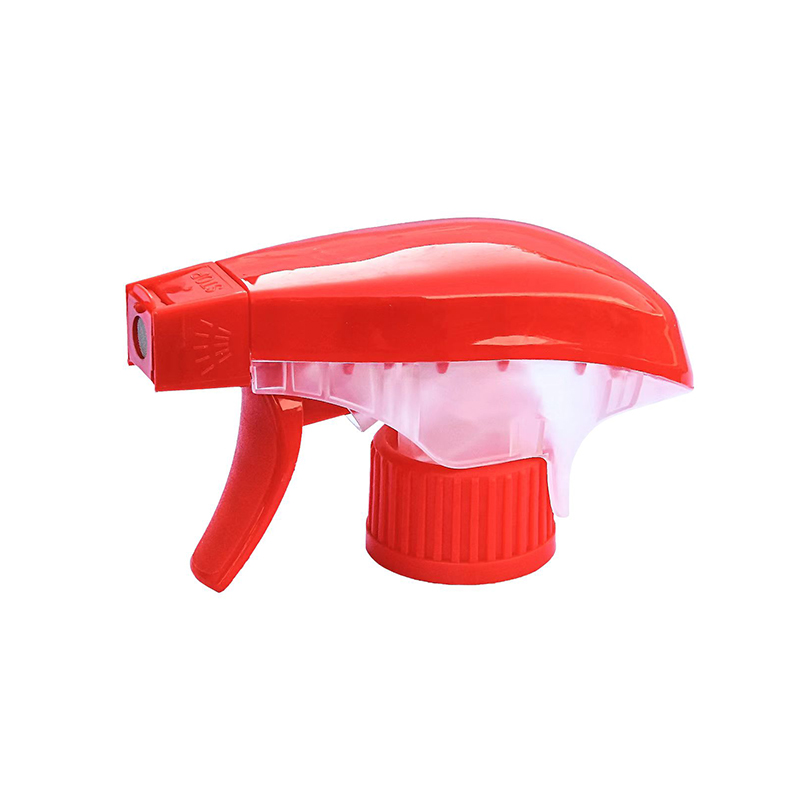
The sprayers are designed for chemical resistance and are specified as resistant to various cleaning agents, compatible with household cleaning chemicals, and intended for chemical and daily-use chemical applications. Application coverage is documented as household kitchen degreaser, bathroom and toilet cleaner, glass and window cleaner, and car care and auto detailing, across the household cleaning industry, commercial cleaning and janitorial service, the auto care and car detailing industry, the pet supplies industry, and the chemical and daily-use chemical industry.
For an evaluation-stage buyer, the useful reading of that list is a test plan: confirm the closure against the exact chemistry and dilution in the formula, not against the category. A trigger sprayer that performs on a glass cleaner is being asked a different question when the bottle contains a caustic bathroom and toilet cleaner.
Step-by-Step Breakdown: Evaluating a Double-Cover Closure in Six Steps
Step 1 — Fix the neck finish in writing. Record whether the filling line uses a 28/400 or 28/410 finish, or both. Both finishes are supported by this closure family, so the objective is to document the requirement rather than to limit it.
Step 2 — Choose the output type from the formula, not the packaging. Select the foam version (ML-102B1, ML-202D1, ML-203H1, ML-204Z1) when the product is a foaming cleaner; select the mist version (ML-102B2) when a fine, uniform spray pattern is required.
Step 3 — Confirm the material family against the label claim. If the packaging carries a recyclability statement, specify the all-plastic, mono-material structure without a metal spring and record the material as PP on the specification sheet.
Step 4 — Validate the sample against four objective checks. Fit on the actual bottle finish, spray or foam pattern consistency, chemical compatibility with the specific cleaning agent, and leak behaviour after the filled bottle has been stored and inverted. Sample evaluation is the stage where a neck-finish or chemistry problem is cheapest to correct.
Step 5 — Confirm the commercial parameters before committing to artwork. Production mode is OEM/ODM, customization covers colour, logo and caliber, minimum order quantity is 50,000 pieces, monthly capacity is 10,000,000 pieces, lead time is 7 days, and quality control is described as 100% test.
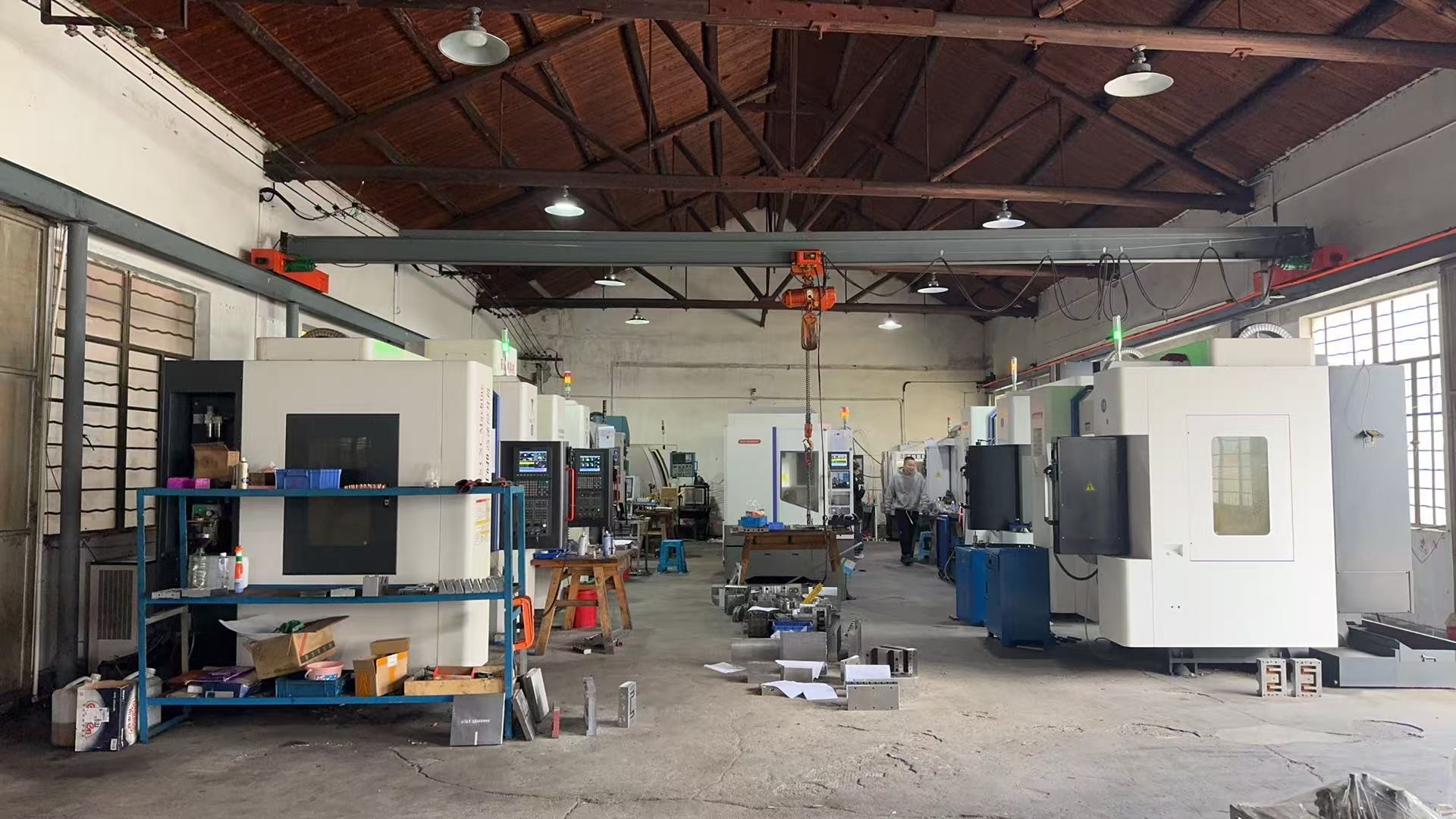
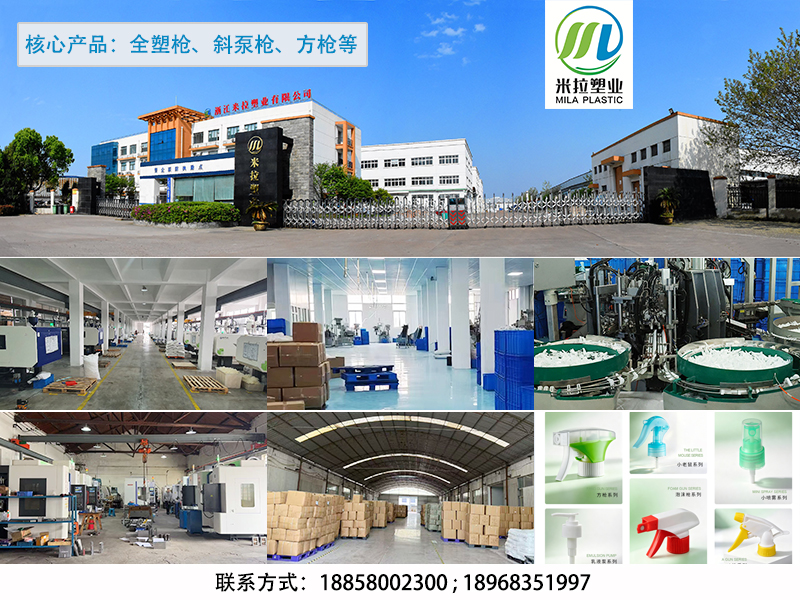
Step 6 — Check the supply record behind the specification. MILA operates a factory of more than 30,000 m² with 60 injection moulding machines and 20 automatic production lines, and an annual output exceeding 600 million pieces with an export ratio of 70%–80%. One documented case in this product family is an Egypt-based trading company and finished-goods packaging manufacturer that ordered 5,000,000 pieces of the all-plastic ML-101G2 mist sprayer for finished-product packaging, with a 2–5 year reusable service life and repeated follow-on orders.
Use Cases: Where a 28/400 and 28/410 Double-Cover Sprayer Fits
Household kitchen degreaser. A foam or mist closure on a 28/410 bottle, with chemical resistance to the degreaser concentrate as the primary acceptance criterion. Foam output keeps the product on vertical surfaces; mist output covers a wider area quickly.
Bathroom and toilet cleaner. A chemically aggressive category where the closure remains in contact with the formula. The all-plastic, no-metal-spring structure removes the corrosion question that a metal spring introduces in this application.
Glass and window cleaner. A fine mist output is the natural fit, because the user needs an even film rather than a foam pile. ML-102B2 is the double-cover mist option in this family.
Car care and auto detailing. Manual trigger hand-press operation and a compact double-cover spray head suit handheld use in a detailing bay, with mist for spray-on wipe-off products and foam for wheel and trim cleaners.
Pet supplies and daily-use chemical packaging. Both categories are documented application areas for this closure family, and both typically involve a range of formulas under one bottle format — which is where dual 28/400 and 28/410 qualification pays off commercially.
Commercial cleaning and janitorial service. Here the duty cycle, not the chemistry, is the differentiator: the trigger hand-press design is specified for comfort across repeated cycles in professional use.
Verified Specifications and Commercial Parameters
The table below lists only specifications recorded in the product data sheets for each model. Where a field is not stated for a model, it is marked accordingly — buyers should confirm it on the quotation drawing.
| Model | Type | Material | Spray output | Thread fit | Outer cap |
|---|---|---|---|---|---|
| ML-102B1 | All-plastic trigger sprayer | PP, full-plastic structure without a metal spring | Foam spray (stable, rich and uniform foam) | 28/400 & 28/410 | Double cover |
| ML-102B2 | All-plastic trigger sprayer | PP, full-plastic structure without a metal spring | Mist spray (fine and uniform) | 28/400 & 28/410 | Double cover |
| ML-202D1 | Plastic trigger sprayer | Plastic PP | Foam spray | 28/400 & 28/410 | Not stated in the data sheet |
| ML-203H1 | Plastic trigger sprayer | PP | Foam spray | 28/400 & 28/410 | Not stated in the data sheet |
| ML-204Z1 | Plastic trigger sprayer | Plastic PP | Foam spray | 28/400 & 28/410 | Not stated in the data sheet |
Note: the full-plastic structure without a metal spring and the mono-material design for recycling are specified for the all-plastic models ML-101G1, ML-101G2, ML-102B1 and ML-102B2.
The second table collects the commercial and compliance parameters that apply to an order rather than to a single model.
| Parameter | Specification |
|---|---|
| Production mode | OEM / ODM |
| Customization scope | Colour / logo / caliber |
| Minimum order quantity | 50,000 pieces |
| Lead time | 7 days |
| Monthly capacity | 10,000,000 pieces |
| Quality control | 100% test |
| Company annual output | Over 600,000,000 pieces |
| Certification | ISO 9001:2015, ISO 14001:2015, SGS compliance |
| Utility model patents (China) | ZL202321149508.9, ZL202321149516.3, ZL202321038643.6, ZL202321038645.5, ZL 202321349188.1 |
| HS code | 3923.50 (stoppers, lids, caps and other closures, of plastics) |
FAQ: Double-Cover Trigger Sprayer Closure
Which certifications and patents cover the double-cover trigger sprayer closure?
MILA holds ISO 9001:2015 and ISO 14001:2015 certifications together with SGS compliance. On the product side, utility model patent ZL202321149508.9 covers all-plastic trigger sprayers including ML-101G1, ML-101G2, ML-102B1 and ML-102B2; it was issued by the China National Intellectual Property Administration on 28 November 2023 and is valid until 15 May 2033 for the China market. Utility model patent ZL 202321349188.1 covers a nozzle protection structure for trigger sprayers and applies to ML-101G2, ML-102B1, ML-102B2 and ML-103C1. Further China-market utility model patents cover a lockable trigger sprayer (ZL202321149516.3), an adjustable angle trigger sprayer (ZL202321038643.6) and a locking function trigger sprayer (ZL202321038645.5). For customs purposes, trigger sprayer closures are classified under HS code 3923.50.
Can one double-cover closure fit both 28/400 and 28/410 bottles, and deliver both mist and foam?
Yes on both counts, with one clarification. Neck fit is common across the family: the double-cover models and the related PP foam models are all specified as compatible with 28/400 and 28/410 bottle necks. Spray output, however, is model-specific rather than adjustable. ML-102B1 is the double-cover all-plastic model with foam spray and stable, rich and uniform foam output; ML-102B2 is the double-cover all-plastic model with fine and uniform mist output. The related PP foam models ML-202D1, ML-203H1 and ML-204Z1 deliver foam spray. All of them use manual trigger hand-press operation and are specified with chemical resistance to various cleaning agents.
What drives the cost of a double-cover trigger sprayer order, and what is the minimum order quantity?
The documented commercial parameters are a minimum order quantity of 50,000 pieces, a monthly capacity of 10,000,000 pieces and a lead time of 7 days, with OEM/ODM production and customization covering colour, logo and caliber. The variables a buyer controls before requesting a quotation are therefore the output type (mist or foam), the all-plastic mono-material structure if a recyclability claim is involved, and the customization scope — colour, logo and caliber. Fixing those three points first is what makes quotations comparable between suppliers, because it removes the specification differences that otherwise sit behind a unit price.
How should a buyer validate a double-cover closure sample before mass production?
A sample evaluation is only useful if it is tested against four objective checks: how the closure seats on the actual bottle finish being used, whether the output is a fine and uniform mist or a stable, rich and uniform foam as specified, whether the closure resists the specific cleaning agent in the formula rather than the product category, and whether the filled bottle remains leak-free after storage and inversion. Because the sprayers are specified for chemical resistance to various cleaning agents, the chemistry check should use the real dilution. Where a mono-material claim is involved, the material family should be confirmed in writing on the sample documentation as PP with a full-plastic structure and no metal spring.
What is the production lead time for a double-cover trigger sprayer order?
The stated lead time is 7 days, supported by a monthly capacity of 10,000,000 pieces, 20 automatic production lines, 60 injection moulding machines and a company annual output of more than 600 million pieces, with quality control described as 100% test. Because tooling, colour matching and logo customization sit inside the OEM/ODM scope, the fastest way to confirm a schedule is to place a sample request and a quotation request together, so that the specification and the timeline are agreed at the same time. Sample requests, colour and caliber customization questions, and quotations can be sent to MILA through the official trigger sprayer site, by email at 18858002300@163.com, or directly on WhatsApp at +86 180-6742-7651.
Conclusion: What to Specify, and What to Verify
The double-cover trigger sprayer closure is a small component carrying four specification decisions that a packaging buyer can settle before the artwork stage: 28/400 or 28/410 neck fit, PP mono-material construction without a metal spring, manual trigger hand-press operation, and the choice between fine mist and stable foam output.
Two of those decisions are compatibility questions, and both are answered by documentation rather than opinion: the closure family is designed for 28/400 and 28/410 bottle necks, and it is specified for chemical resistance to various cleaning agents across household, commercial, automotive, pet and daily-use chemical applications. The third decision is a recycling question, and it is answered by the material declaration: a full-plastic structure without a metal spring, specified as a mono-material design for recycling.
For an evaluation-stage buyer, the next step is not a broader supplier search but a tighter specification. Fix the neck finish, the output type and the customization scope; request a sample and test it against the real bottle, the real formula and the real storage condition; and confirm MOQ, lead time and certification documents in the same conversation. MILA supplies the double-cover models ML-102B1, ML-102B2 and the related PP foam models ML-202D1, ML-203H1 and ML-204Z1, with orders supported by a factory of more than 30,000 m² and an annual output exceeding 600 million pieces.
Next step: request a double-cover trigger sprayer sample set (ML-102B1 foam and ML-102B2 mist) together with a specification-matched quotation. Samples, colour and caliber customization, and bulk pricing are handled through MILA Plastic Industry — email 18858002300@163.com or WhatsApp +86 180-6742-7651.
Have Questions or Need More Details?
Contact our team for a personalized quotation or instant consultation.
Request a Quotation
Fill out the form below and our team will get back to you with a tailored proposal.
WhatsApp Direct Chat
Prefer to chat in real-time? Message us on WhatsApp for instant assistance & quick answers.
- Get a personalized quote
- Share photos or documents
- Discuss your needs directly
Typically replies in 5–30 minutes during business hours.