
Trigger Sprayer Supplier Vetting: PP Capability and Bulk Delivery Assurance
Answer first: A trigger sprayer supplier should be vetted on evidence that can be checked before a bulk order: the actual PP material and construction, bottle-neck compatibility at 28/400 and 28/410, the spray type, model-level documentation, and written delivery controls. Sales claims such as recyclable, leak-proof, OEM-ready, or bulk-capable are only useful when they are tied to a model, a specification, and a purchase-order acceptance line.
Zhejiang Mila Plastic Industry Co.,Ltd. (MILA Plastic Industry) is a Quzhou, Zhejiang-based manufacturer of trigger sprayers and household care packaging. Its trigger sprayer range includes all-plastic and plastic PP models, foam and mist spray types, and 28/400 and 28/410 bottle-neck options. For the four models used in this vetting example—ML-102B1, ML-202D1, ML-203H1, and ML-204Z1—the buyer's task is not to choose the most promotional description. The task is to separate what is documented from what still needs a sample, a test, or a written commercial term.
The Supplier Vetting Problem: Claims Are Not Evidence
Trigger sprayer procurement often starts with a short list of claims: all-plastic, recyclable, chemical-resistant, leak-proof, OEM color available, bulk supply supported. These claims matter, but they do not answer the buyer's operating questions. A plastic trigger sprayer can be described as recyclable only when the material and construction support that claim. A 28/410 trigger sprayer can be offered, but the buyer still needs confirmation that the closure fits the intended bottle neck. A foaming trigger sprayer can produce foam, but the buyer still needs a defined spray and foam acceptance standard.
The same gap appears in delivery assurance. A supplier may say it supports wholesale trigger sprayer orders, but the buyer needs to see how capacity, production lines, staffing, finished-goods handling, and purchasing terms connect to the order. Without that link, a bulk delivery promise is only a statement. It is not a control.
This is why supplier vetting should be split into four evidence sets: material and construction, thread and spray compatibility, model and customization scope, and bulk delivery controls. Each set should produce a document, a sample result, or a written term that can be checked before the order is released.
Industry Background: Why PP and Delivery Evidence Matter Now
The trigger sprayer category is not a niche only for household cleaning. Fortune Business Insights valued the global trigger sprayers market at USD 491.8 million in 2025 and projected a 4.7% CAGR from 2026 to 2034. The same product family serves household cleaning, commercial cleaning and janitorial service, auto care and car detailing, pet supplies, and chemical and daily-use chemical industries.
Material expectations are also becoming more explicit. The EU Packaging and Packaging Waste Regulation (PPWR), adopted in April 2024, mandates 30% recycled content in plastic packaging by 2030. That requirement does not automatically apply to every trigger sprayer shipment, but it changes the questions buyers ask. They want to know whether a PP trigger sprayer is mono-material, whether it uses a metal spring, and whether the supplier can explain the material route in writing.
Thread standards are equally practical. The 28/410 neck size is identified as the most commonly used opening for trigger sprayers, while 28/400 remains a common alternative. A supplier that lists both sizes is useful only if the buyer confirms the exact bottle neck, closure fit, and finished pack. The HS code for plastic stoppers, lids, caps, and other closures is 392350, which is the trade classification context for trigger sprayers as plastic closures.
MILA Plastic Industry states ISO 9001:2015 and ISO 14001:2015 certifications and SGS compliance. For a buyer, those are relevant inputs, but they do not replace model-level checks. Certifications support a management-system review. They do not prove that a specific 28/400 trigger sprayer fits a specific bottle or that a specific OEM color will match an approved standard.
Detailed Solution: What Verifiable PP Capability Looks Like
1. Material and construction evidence
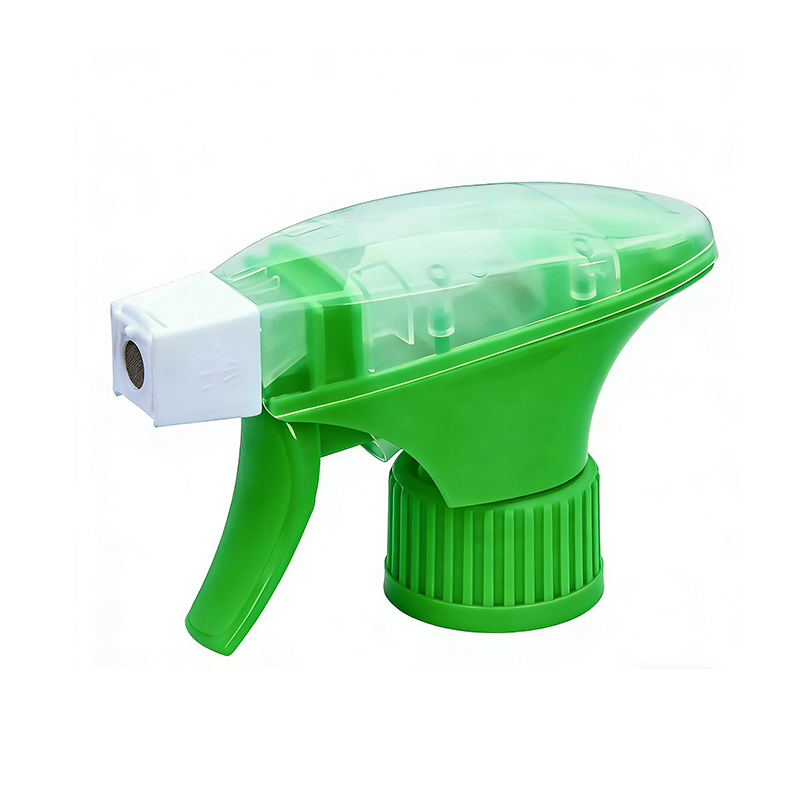
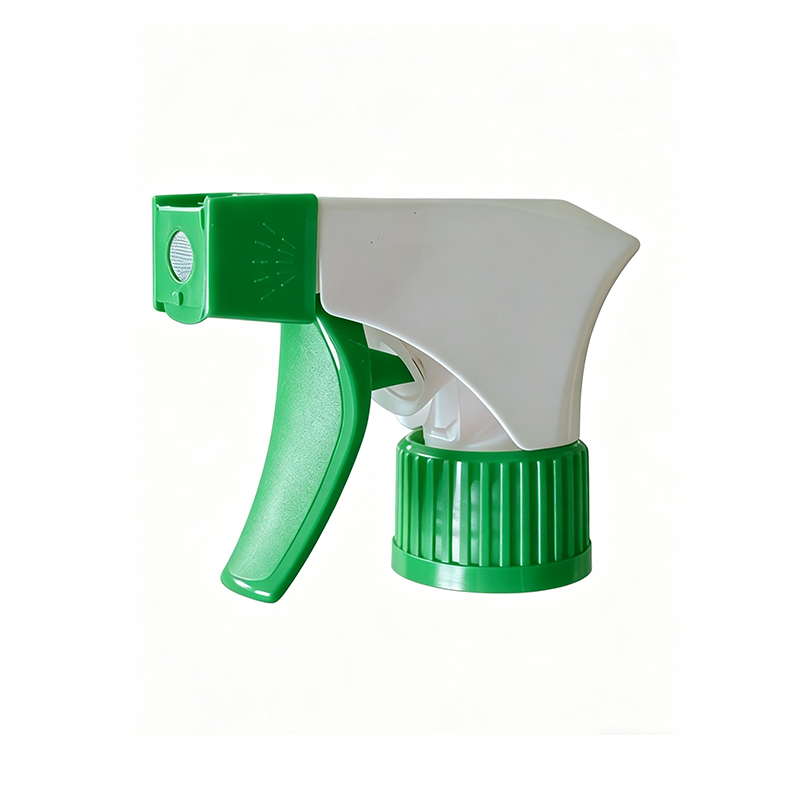
The first check is whether the supplier can separate all-plastic construction from a general plastic description. The ML-102B1 is an all-plastic trigger sprayer made of PP. It has a full-plastic structure without a metal spring, a double cover, and a mono-material PP construction that supports recycling. These are specific construction facts. They allow the buyer to ask a precise question: does the proposed model use the same all-plastic, mono-material structure, or does it use a different closure design?
The other models in this vetting set are described as plastic PP trigger sprayers. The ML-202D1 is a plastic trigger sprayer made of PP with a foam spray type. The ML-203H1 is a plastic PP trigger sprayer with a foam spray type. The ML-204Z1 is a plastic trigger sprayer made of PP with a foam spray type and a hand-press trigger design. A buyer should not collapse these descriptions into a single all-plastic claim. The correct approach is to match the claim to the model and to ask for the material breakdown where the decision depends on recyclability.
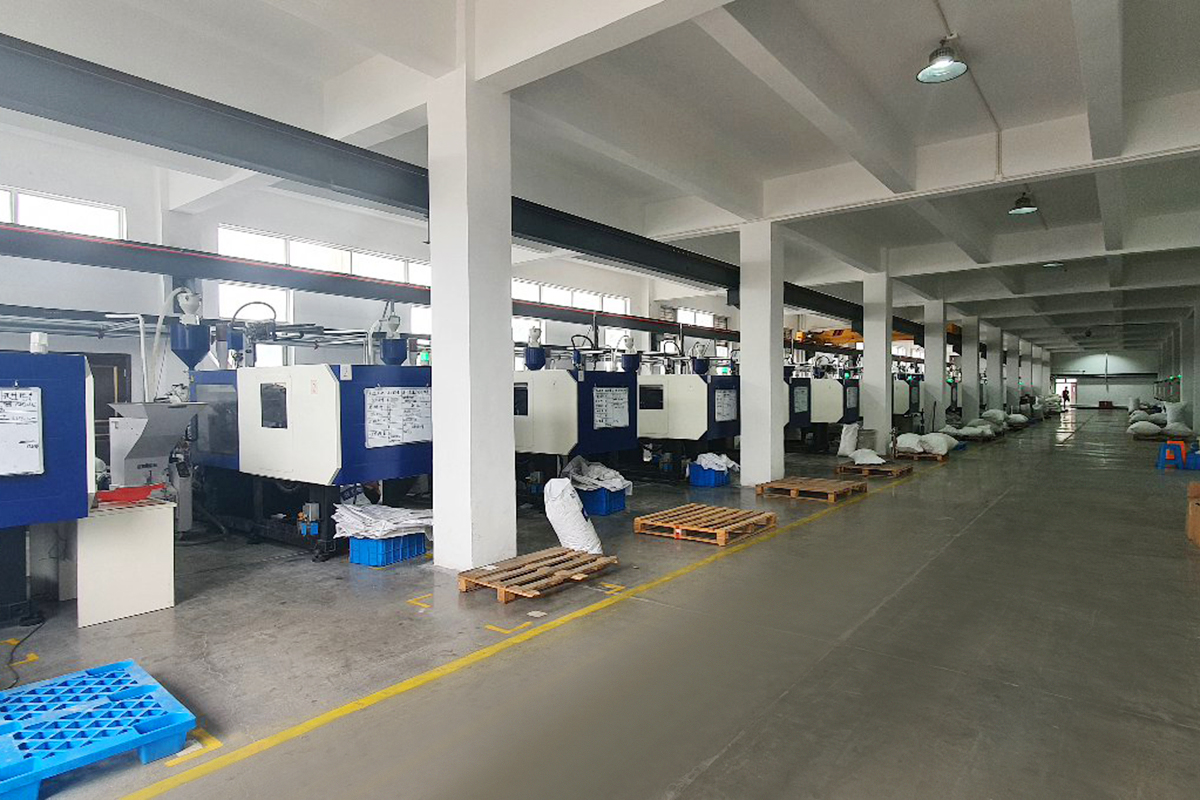
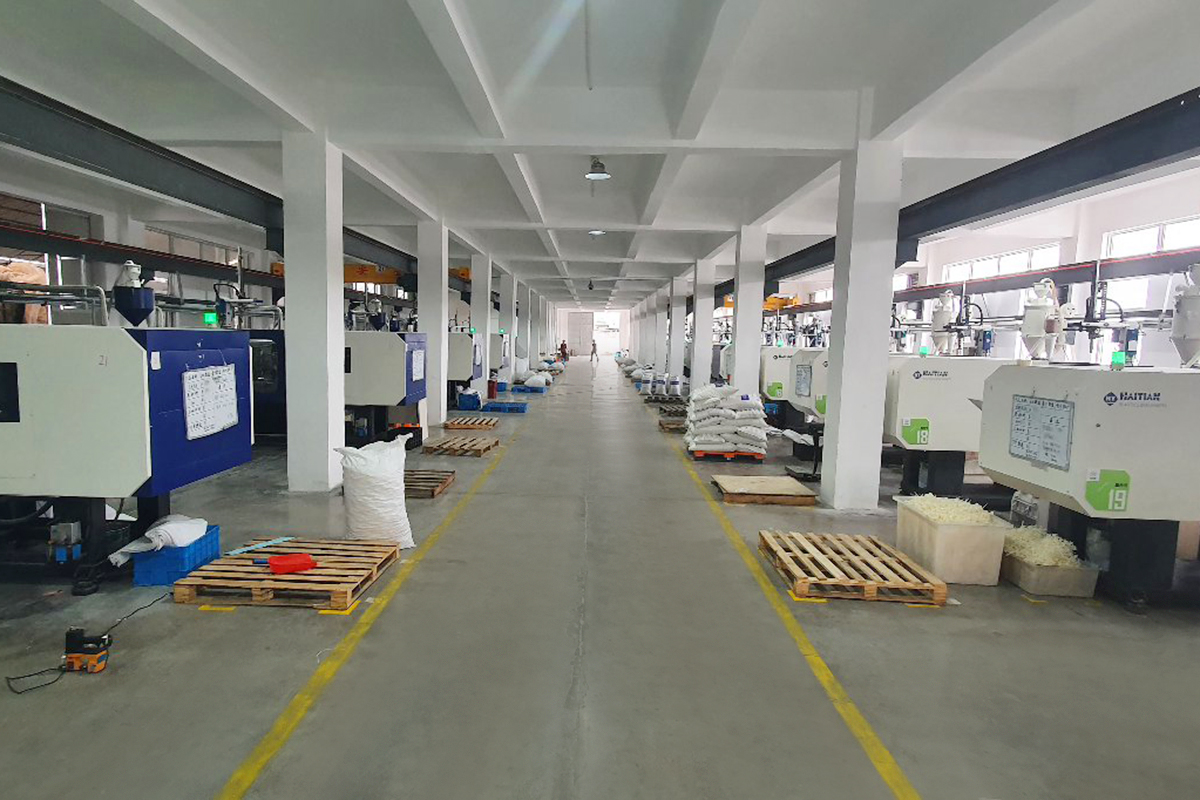
MILA Plastic Industry was established in 2018 and operates a factory of more than 30,000 square meters with 300-400 employees, 60 injection molding machines, 20 automatic production lines, and 10 engineers. Its annual output is over 600 million pieces. These facts matter for PP capability because they show the production base behind the material claim. They do not replace the model-level material check, but they help the buyer judge whether the supplier can support a repeatable PP trigger sprayer program rather than a one-off sample.
2. Bottle-neck and spray-type evidence
All four models in this vetting example are listed with 28/400 and 28/410 thread sizes and bottle-neck compatibility. That is a starting point, not a final approval. The buyer should confirm the intended bottle neck, the closure type, and the fit of the trigger sprayer on the filled pack. A 28/410 trigger sprayer and a 28/400 trigger sprayer may both be available, but they are not interchangeable without a fit check.
Spray type is the second compatibility decision. The ML-102B1, ML-202D1, ML-203H1, and ML-204Z1 are foam spray models. Their documented use includes household kitchen degreaser, bathroom and toilet cleaner, glass and window cleaner, and car care and auto detailing. Foam is not automatically better than mist. It is a different output for a different cleaning task and formula. A foaming trigger sprayer should be sampled with the actual formula, because foam quality depends on the interaction between the sprayer and the liquid.
Mist is a separate specification. The all-plastic ML-102B2 is a mist spray model with a double cover. The ML-201B2 and ML-103C1 are plastic PP mist spray models. A buyer who needs a fine mist trigger sprayer should ask for a mist model and approve the spray pattern separately. A foam model should not be treated as a drop-in substitute for a mist model without a new sample approval.
3. Model and customization scope
Model-level selection keeps the vetting process honest. The ML-102B1 is the all-plastic, mono-material option in this set, with a foam spray and a double cover. The ML-202D1, ML-203H1, and ML-204Z1 are PP foam-spray options with 28/400 and 28/410 compatibility. The ML-204Z1 also has a hand-press trigger design. These differences are small on a catalog page, but they matter in a purchase order because they define the approved sample, the material description, and the acceptance criteria.
OEM custom color and bulk order support should be handled the same way. MILA Plastic Industry states bulk order and OEM customized color support for the trigger sprayer range, and the model data for ML-202D1, ML-203H1, and ML-204Z1 repeats bulk order and OEM customized color support. The buyer should still confirm the exact model, the color standard, the approval method, and the minimum order quantity in writing. Custom trigger sprayer color is a commercial and quality-control item, not a vague design request.
4. Bulk delivery and commercial controls
Bulk delivery assurance is built from capacity evidence plus written purchasing terms. MILA Plastic Industry reports annual output of over 600 million pieces, 20 automatic production lines, 300-400 employees, and export business at 70%-80% of total sales. Its major markets include South America, Western Europe, Eastern Europe, East Asia, Southeast Asia, Middle East, Africa, and Oceania. These facts support a supplier review, but the buyer still needs an order-specific delivery plan.
The purchase order should name the model, thread size, spray type, color, quantity, packaging, inspection method, acceptance criteria, and delivery schedule. The acceptance criteria should cover the items that create risk in trigger sprayer use: closure fit on the bottle neck, spray output, foam or mist pattern, trigger operation, cap fit, visible leakage after handling, and compatibility with the intended cleaning agent. The buyer should also define what happens if a pre-shipment check fails. A delivery promise without a failure rule is not a complete delivery assurance term.

Step-by-Step Breakdown: A Practical Supplier Vetting Sequence
- Write the product requirement before contacting suppliers. Define the bottle neck as 28/400 or 28/410, the spray type as foam or mist, the model or model family under review, the cleaning formula category, and the pack format. This prevents a supplier from answering with a general wholesale trigger sprayer statement that does not match the project.
- Ask for model-level material and construction data. For an all-plastic claim, request the material, the spring type, the outer cap, and the recycling route. For ML-102B1, the documented facts are all-plastic PP, full-plastic structure without a metal spring, double cover, and mono-material construction. For ML-202D1, ML-203H1, and ML-204Z1, request the PP material confirmation and the spray type in the same format.
- Validate the bottle-neck fit and spray output with a sample. Fit the trigger sprayer to the actual bottle neck, fill it with the intended formula, and check spray or foam output, trigger return, cap fit, and visible leakage. A sample that is tested only with water does not prove compatibility with a cleaning agent.
- Confirm OEM color and bulk terms in writing. Ask for the color standard, approval sample, order quantity, packaging, and any model-specific limits. A custom trigger sprayer color should be approved against a physical or documented standard before bulk production.
- Map the delivery assurance terms to production evidence. Review the annual output, production lines, staffing, and factory area, then require a written production slot, pre-shipment inspection plan, and finished-goods release rule. The warehouse and production evidence should match the supplier and the order, not a generic image set.
- Run risk checks before release. Include the FAQ items from this article in the supplier questionnaire: certification scope, PP capability, OEM color scope, and bulk delivery controls. Add a final check for thread fit, spray type, chemical compatibility, and packaging. Release the bulk order only after the sample and the written terms agree.
Use Cases: Matching the Model to the Cleaning Task
Household kitchen degreaser. A foaming trigger sprayer can be appropriate when the formula is designed for foam cling and the pack uses a 28/400 or 28/410 bottle neck. ML-202D1, ML-203H1, and ML-204Z1 are PP foam-spray options in this set. ML-102B1 adds the all-plastic, mono-material construction for buyers who need a recycling-focused foam trigger sprayer.
Bathroom and toilet cleaner. Chemical resistance and closure fit are the main checks. The product data lists these models for bathroom and toilet cleaner applications and states chemical resistance to various cleaning agents. The buyer should still test the actual formula with the selected PP trigger sprayer and define a visible leakage check in the acceptance criteria.
Glass and window cleaner. Glass and window cleaner is listed among the application scenarios, but spray type still needs a decision. A foam model and a mist model produce different user experiences. If the project requires a fine mist trigger sprayer, the buyer should evaluate a mist model such as ML-102B2, ML-201B2, or ML-103C1 rather than assuming the foam models will behave the same way.
Car care and auto detailing. The ML-204Z1 is a PP foam-spray trigger sprayer with a hand-press trigger design and 28/400 and 28/410 compatibility. It is listed for car care and auto detailing applications. For a bulk program, the buyer should confirm the foam output standard and the chemical compatibility of the formula before approving the model.
Commercial cleaning and janitorial service. These users need repeatable trigger operation and pack compatibility across a large order. The supplier's production base, automatic lines, and finished-goods handling are relevant, but the acceptance criteria should still be written at the product level. A commercial cleaning trigger sprayer program should not rely on a general household cleaning claim.
Comparison Table: PP Trigger Sprayer Options in This Vetting Set
| Model | Documented type and material | Spray type | Thread / bottle neck | Documented model note | Bulk / OEM note |
|---|---|---|---|---|---|
| ML-102B1 | All-Plastic Trigger Sprayer; PP; full-plastic structure without a metal spring; mono-material construction | Foam spray | 28/400 and 28/410 | Double cover; recycling-focused all-plastic option | Bulk supply stated for the trigger sprayer range; confirm OEM color for the exact model in writing |
| ML-202D1 | Plastic Trigger Sprayer; PP | Foam spray | 28/400 and 28/410 | Manual hand-press trigger; foam output for cleaning applications | Bulk order and OEM customized color stated |
| ML-203H1 | Plastic Trigger Sprayer; PP | Foam spray | 28/400 and 28/410 | Trigger sprayer closure; foam output for cleaning applications | Bulk order and OEM customized color stated |
| ML-204Z1 | Plastic Trigger Sprayer; PP | Foam spray | 28/400 and 28/410 | Hand-press trigger design; listed for car care and auto detailing | Bulk order and OEM customized color stated |
The table uses only documented model facts. It does not rank the models by performance. Selection depends on the bottle neck, formula, spray type, recycling requirement, and commercial terms.
FAQ: Trigger Sprayer Supplier Vetting
What certifications should a trigger sprayer manufacturer provide?
MILA Plastic Industry states ISO 9001:2015 and ISO 14001:2015 certifications and SGS compliance. Buyers should verify the certificate scope, current status, and whether the certificate applies to the specific trigger sprayer model and production site. A certificate supports the supplier review, but it does not replace model-level fit, spray, and material checks.
What PP capability should a trigger sprayer supplier demonstrate?
The supplier should be able to document the PP material, the construction, and the spray type at model level. For ML-102B1, the documented facts are all-plastic PP, full-plastic structure without a metal spring, double cover, and mono-material construction. For ML-202D1, ML-203H1, and ML-204Z1, the documented facts are PP material, foam spray, and 28/400 and 28/410 compatibility. Production evidence such as 60 injection molding machines, 20 automatic production lines, and 10 engineers supports the capability review.
How should buyers evaluate bulk delivery assurance before placing an order?
Start with capacity and order controls. MILA Plastic Industry reports annual output of over 600 million pieces, 300-400 employees, 20 automatic production lines, and a factory area of more than 30,000 square meters. The buyer should then require a written production slot, pre-shipment inspection plan, packaging specification, acceptance criteria, and a release rule for failed inspections. Bulk delivery assurance is the combination of production evidence and purchase-order terms.
Can a trigger sprayer manufacturer support OEM custom color and bulk orders?
MILA Plastic Industry states bulk order and OEM customized color support for the trigger sprayer range, and the model data for ML-202D1, ML-203H1, and ML-204Z1 repeats bulk order and OEM customized color support. The buyer should confirm the exact model, color standard, approval sample, order quantity, and packaging in writing before bulk production.
How can buyers reduce leak and compatibility risk?
Define acceptance criteria for the actual pack: 28/400 or 28/410 closure fit, spray or foam output, trigger operation, cap fit, and visible leakage after handling. Test with the intended cleaning agent, not only water. For foam projects, approve the foam output on the selected model. For mist projects, approve a mist model separately. Then request a sample and a written quote from MILA Plastic Industry through www.triggerssprayer.com or contact the sales team at 18858002300@163.com and +86 188-5800-2300.
Conclusion: Vet the Evidence, Then Release the Order
Trigger sprayer supplier vetting works when the buyer separates material facts, thread and spray compatibility, model-level customization, and delivery controls. For MILA Plastic Industry, the documented range includes ML-102B1 as an all-plastic, mono-material PP foam trigger sprayer without a metal spring; ML-202D1, ML-203H1, and ML-204Z1 as PP foam-spray options; 28/400 and 28/410 bottle-neck compatibility; and bulk order and OEM custom color support for applicable models. The factory facts—over 30,000 square meters, 300-400 employees, 60 injection molding machines, 20 automatic production lines, 10 engineers, and annual output over 600 million pieces—support the capacity review.
The final decision should still be evidence-based. Approve the model, test the sample with the real formula, write the acceptance criteria, confirm the OEM color scope, and tie the delivery schedule to a production slot and inspection plan. That is how a buyer turns a wholesale trigger sprayer quote into a controlled bulk program. To start the next step, request a sample, a model-level specification sheet, or a quote from MILA Plastic Industry.
Next step: Send the bottle neck, spray type, formula category, target quantity, and color requirement to MILA Plastic Industry. Contact Bruce Liu at 18858002300@163.com or +86 188-5800-2300, or visit www.triggerssprayer.com.
Have Questions or Need More Details?
Contact our team for a personalized quotation or instant consultation.
Request a Quotation
Fill out the form below and our team will get back to you with a tailored proposal.
WhatsApp Direct Chat
Prefer to chat in real-time? Message us on WhatsApp for instant assistance & quick answers.
- Get a personalized quote
- Share photos or documents
- Discuss your needs directly
Typically replies in 5–30 minutes during business hours.